Water, Sanitation & Health (WASH)
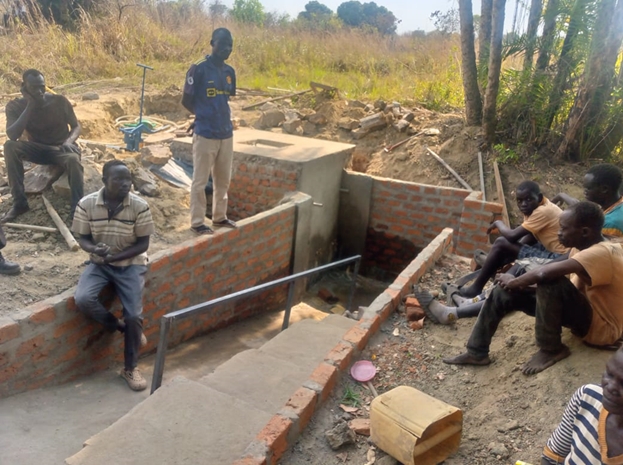
TITI Foundation promotes access to clean water, sanitation, and hygiene (WASH) in South Sudan to reduce waterborne diseases and improve community health. Through sensitization campaigns in schools and communities, the Foundation encourages handwashing, use of pit latrines, safe water storage, and purification practices. Using participatory approaches such as PHAST (Participatory Hygiene and Sanitation Transformation) and CHAST (Children’s Hygiene and Sanitation Training), it empowers communities and children to adopt sustainable hygiene behaviors, manage sanitation facilities, and understand the link between health and hygiene. The Foundation also implements community events like Global Handwashing Day to reinforce key messages. For sustainability, TITI Foundation collaborates with government bodies, donors, and local authorities to strengthen institutional and community capacity, promote inclusion of vulnerable groups, and support long-term access to safe water and sanitation services.
TITI Foundation recognizes that access to clean water is vital for life, yet many communities in South Sudan face challenges such as contaminated water sources and limited affordability of safe water. To address these issues, the Foundation implements comprehensive Water, Sanitation, and Hygiene (WASH) programs aimed at improving public health and preventing waterborne diseases. These initiatives include community and school-based hygiene education, installation of handwashing stations using locally available materials, promotion of pit latrine use, water harvesting, and safe water treatment through boiling or purification methods.
Drawing on successful models like Kenya’s Urban/Rural Total Sanitation approach, the Foundation promotes proper waste disposal and environmental sanitation to reduce open defecation. It conducts community outreach through events such as Global Handwashing Day and World Toilet Day while empowering schoolchildren to become hygiene ambassadors. Using participatory methodologies such as PHAST (Participatory Hygiene and Sanitation Transformation) and CHAST (Children’s Hygiene and Sanitation Training), the Foundation encourages behavioral change, fosters community ownership of sanitation facilities, and strengthens awareness of the link between hygiene and health.
To ensure sustainability, TITI Foundation works closely with government agencies, donors, and local partners to build the capacity of communities and institutions. The Foundation also integrates gender, disability inclusion, and HIV awareness into its programs, promoting equitable access to safe water and sanitation in line with global development goals on health, poverty reduction, and social inclusion.
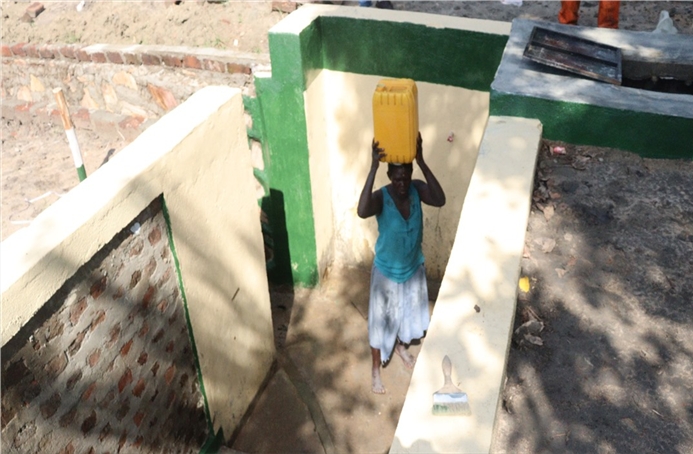
Safe water, thriving lives — empowering communities through improved WASH access
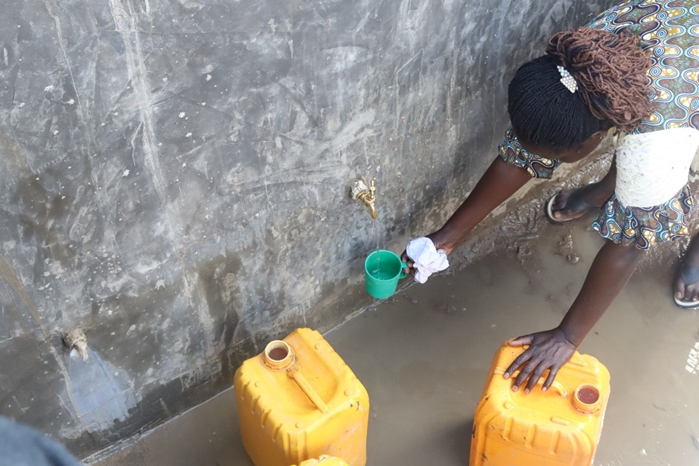
“Together in Transformational Initiatives” to promote progress, peace, and prosperity (PPP) in marginalized communities.”